
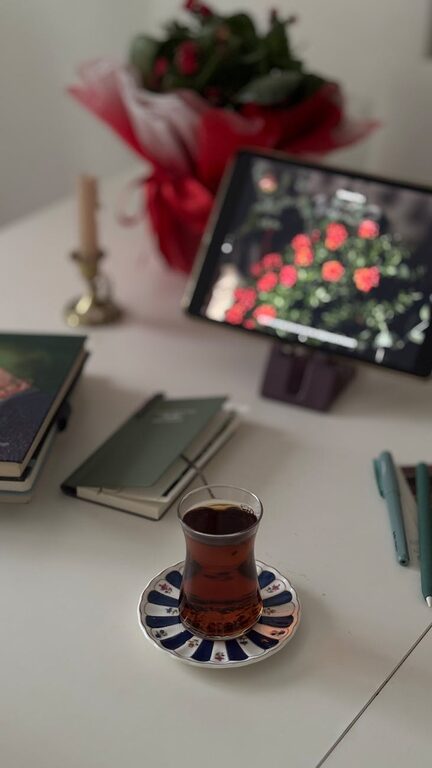
Choosing the right notebook can seem like a simple task, but with so many options available, it’s easy to feel overwhelmed. Whether you want to journal, jot down ideas, plan your day, or take notes at work or school, the perfect notebook will encourage you to write regularly. In this post, we’ll explore how to choose a notebook you’ll actually use, focusing on size, layout, paper quality, design, and more.
Why Choosing the Right Notebook Matters
A notebook isn’t just a stack of paper—it’s a tool that supports your creativity, productivity, and organization. When you choose a notebook that suits your personal style and practical needs, you’re more likely to use it consistently and enjoy the writing process. On the other hand, a poorly chosen notebook can end up gathering dust or being discarded, wasting both money and opportunity.
Consider Your Purpose
Start by asking yourself why you want a notebook. Here are some common reasons:
– Journaling: Reflecting on thoughts, feelings, and experiences.
– Planning: Organizing tasks, appointments, and goals.
– Note-taking: Capturing information from meetings, classes, or research.
– Creative writing: Drafting stories, poems, or ideas.
– Sketching and doodling: Drawing or visual brainstorming.
– Bullet journaling: Combining plans, notes, and tasks in an artistic format.
Understanding your primary use will guide many decisions, such as the type of paper and notebook layout.
Size Matters: Finding the Right Fit
Notebooks come in various sizes, and choosing one that fits your lifestyle is key.
Popular Sizes
– Pocket (around 3.5″ x 5.5″): Portable and easy to carry everywhere. Great for quick notes or ideas on the go but offers limited space.
– A5 (about 5.8″ x 8.3″): A popular medium size; balances portability with ample writing space.
– A4 (8.3″ x 11.7″): Larger and suited for detailed notes, sketches, or planning.
Tips for Choosing Size
– If you carry a handbag or backpack daily, consider medium to small sizes that fit conveniently.
– For office or desk use, larger sizes can make writing and organizing easier.
– Think about what you’ll use the notebook for—sketching may require more space, while jotting quick notes may not.
Layout: Lines, Grids, or Blank?
The layout of the pages affects how you interact with your notebook.
– Lined Pages: Great for writing, journaling, and note-taking. Lines help keep your handwriting neat.
– Grid Pages: Preferred for bullet journaling, graphs, and diagrams. The grid provides subtle guidance without overpowering content.
– Dot Grid Pages: A popular choice combining freedom and structure. Dots are faint, offering subtle guidance for writing or drawing.
– Blank Pages: Ideal for sketching, freeform notes, or creative work that doesn’t fit into lines.
How to Decide
Think about how you’ll use the pages. If your work involves a lot of lists or structured notes, lined or grid might be best. For creative writing or art, blank or dot grid options may work better.
Paper Quality: Smooth Writing Matters
The feel of the paper can make or break your experience.
– Thickness (GSM): GSM stands for grams per square meter—a higher GSM means thicker paper. Thick paper prevents ink bleed-through.
– Texture: Smooth paper feels nice for pen and pencil but can affect how ink spreads.
– Compatibility with Pens: If you use fountain pens or markers, look for bleed-resistant paper.
Try to read reviews or test samples when possible. Good paper encourages frequent use by making the writing feel pleasurable.
Binding Styles: Flexibility and Durability
How your notebook is bound will influence how it opens, how durable it is, and whether pages can be removed.
– Spiral Bound: Lies flat and folds back easily. Ideal if you want your notebook to stay open while working.
– Perfect Bound (Paperback): Looks like a book, but may not lay flat, which can be less convenient.
– Hardcover: Durable and sturdy, protecting your notes during travel.
– Stitched Binding: Durable and often allows the notebook to lie nearly flat.
Consider where and how you will use your notebook when selecting binding.
Cover Design: Personal Style and Practicality
The cover reflects your personality and impacts durability.
– Material: Paper covers are lightweight but less durable; leather or faux leather offers durability and a classic look.
– Design: Choose a design that inspires you to open and use your notebook.
– Additional Features: Some notebooks have elastic bands, pen holders, or pockets—for extra convenience.
Features to Look For
Certain features make a notebook easier and more enjoyable to use:
– Page Numbers: Useful for organization.
– Index or Contents Page: Great for bullet journaling or structured note-keeping.
– Perforated Pages: Allow for easy tearing.
– Ribbon Markers: Help you quickly find your place.
– Pocket Folder: For storing loose papers.
Test Before You Commit
Whenever possible, try to open and write in a notebook before buying. Feeling the paper and layout firsthand often makes the decision easier.
Final Thoughts: Making It Your Own
Once you have your notebook, make it feel special by personalizing it. Add tabs, use colored pens, or decorate the cover. The more you connect with your notebook, the more you’ll use it.
Remember, the “perfect” notebook is one that meets your unique needs and encourages you to write regularly. With these tips, you’re well-equipped to choose a notebook you’ll actually use and enjoy. Happy writing!