
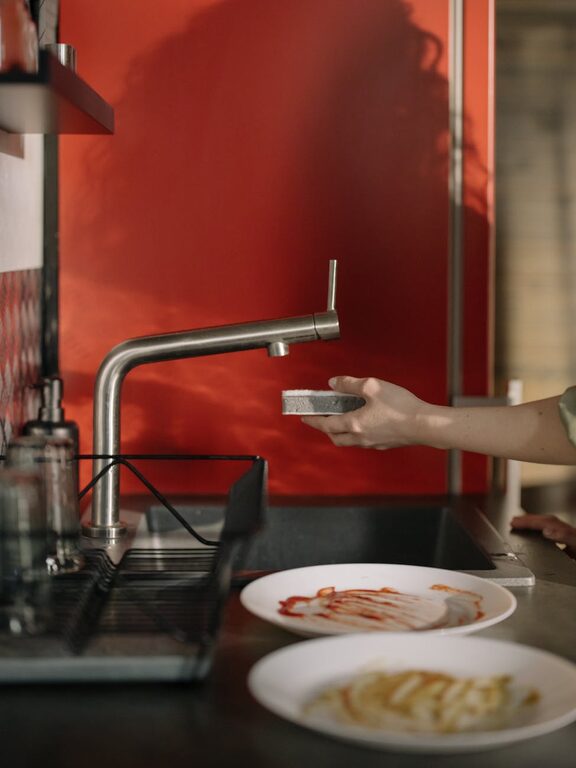
When it comes to cooking dinner, one of the least enjoyable parts can be the cleanup. After a delicious meal, facing a sink full of dishes, sticky counters, and scattered utensils can quickly drain your energy. Luckily, there are many practical ideas you can implement to make dinner cleanup easier and faster. Whether you live alone or have a bustling household, these tips will help turn cleanup from a chore into a manageable part of your routine.
1. Plan Ahead While Cooking
One of the best ways to make cleanup easier is to think ahead during meal preparation.
Use Fewer Cooking Tools
Try to limit the number of pots, pans, and utensils you use. For example, use a single skillet to cook multiple ingredients instead of several pans, or prepare meals that require minimal equipment. This reduces the number of dishes to wash later.
Clean as You Go
Rather than waiting until all the cooking is done, wash or rinse utensils, cutting boards, and mixing bowls while food is simmering. Wiping spills or splatters immediately can prevent stubborn stains and sticky patches.
2. Optimize Your Workspace
A well-organized kitchen can greatly speed up cleanup.
Clear Countertops Before You Start
Before cooking, clear away unnecessary items from your counter. A clutter-free workspace is easier to wipe down and less likely to accumulate stray crumbs or spills.
Use Kitchen Liners and Trays
Place liners or parchment paper on baking sheets and trays. These barriers catch drips and make removing baked items mess-free. Similarly, use a tray underneath cutting boards or bowls to catch overflow or scraps.
3. Adopt Smart Cooking Habits
Small habits during cooking have a big impact on cleanup.
Use One-Pot or One-Pan Meals
Recipes that use just one pot or pan are a cleanup game changer. Soups, stews, casseroles, and sheet-pan dinners all minimize washing up while still delivering tasty results.
Soak Dishes Right After Eating
If you can’t clean dishes immediately, soak pots, pans, and dishes in warm, soapy water as soon as dinner is over. This helps loosen food residue and makes scrubbing easier later.
4. Use Efficient Dishwashing Techniques
Whether you hand wash or use a dishwasher, some methods can speed the process.
Pre-Rinse Only When Necessary
If your dishwasher is strong, avoid rinsing dishes under running water before loading them. Modern dishwashers work best with some food residue left on, saving water and time.
Load the Dishwasher Strategically
Organize dishes so that water can reach all surfaces. Place larger items at the sides and back, and arrange smaller utensils where they won’t block water jets. This ensures more thorough cleaning on the first try.
Use Two-Basin Sink Method
When hand washing, fill one basin with soapy water for washing and the other with clean water for rinsing. This method is quicker and uses less water than washing under a running tap.
5. Involve the Whole Family
Sharing dinner cleanup duties not only lightens your load but teaches responsibility.
Assign Simple Tasks
Even young children can help by clearing plates, wiping the table, or rinsing vegetables. Older kids and adults can load the dishwasher or wash pots and pans.
Create a Cleanup Routine
Develop a consistent post-dinner cleanup routine that everyone follows. Knowing who does what and when keeps the process organized and quick.
6. Use Helpful Tools and Products
Certain kitchen tools can make cleaning faster and easier.
Silicone Baking Mats
Replace parchment paper with reusable silicone baking mats. They are easy to clean and cut down on disposable waste.
Non-Stick Cookware
Cooking with quality non-stick pans often results in less stuck-on food, minimizing scrubbing time.
Multi-Purpose Cleaning Sprays
Keep a good all-purpose cleaner and microfiber cloth handy for quick countertop and table cleanups.
7. Final Touches for a Clean Kitchen
After washing dishes and clearing surfaces, follow these tips to finish strong.
Wipe Appliances and Sink
Quickly wipe down stove tops, microwave doors, and the sink basin to remove food spots and water marks.
Sweep or Vacuum the Floor
Cleaning crumbs and small food bits off the floor prevents pests and keeps your kitchen tidy.
Take Out Trash and Recycling
Empty any trash or compost bins related to dinner prep promptly to avoid odors.
Conclusion
Dinner cleanup doesn’t have to be overwhelming or time-consuming. By planning ahead, adopting smart cooking habits, organizing your workspace, and involving others, you can simplify your routine. Little changes like soaking dishes, using efficient dishwashing methods, and utilizing helpful tools add up to big time savings. With these practical ideas in your kitchen toolkit, dinner cleanup can become a breeze—leaving you more time to relax and enjoy your evening.